How to Handle Scratches on Ceramic Coated Cars
November 28, 2025

November 28, 2025

How to Handle Scratches on Ceramic Coated Cars

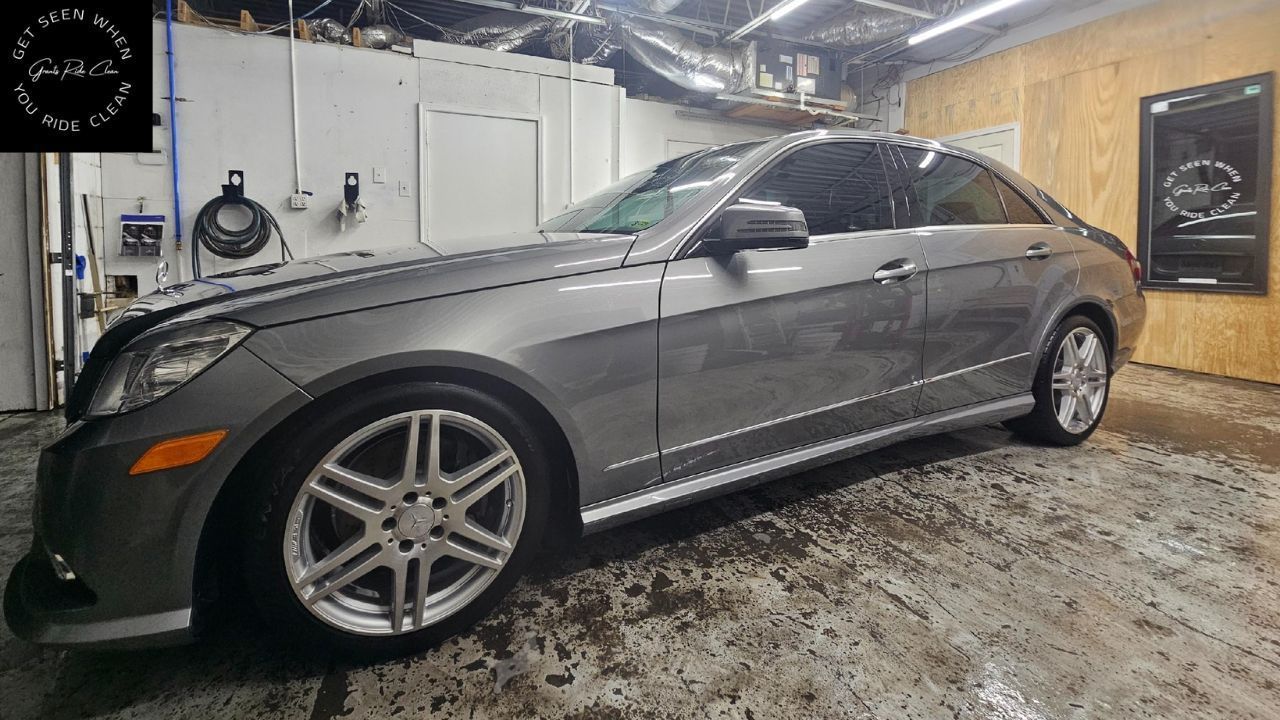
Gray Mercedes-Benz coupe in a garage, possibly after a detailing.

Ceramic coatings provide a strong protective layer for your vehicle’s paint, giving it a glossy, hydrophobic finish that repels dirt, water, and minor contaminants. However, even ceramic-coated cars aren’t completely immune to scratches.
Understanding how to handle scratches properly ensures your car maintains its glossy finish, prevents further damage, and prolongs the life of your ceramic coating. This guide will break down the best practices, tools, and tips to manage scratches effectively.
Why Scratches Occur on Ceramic Coated Cars
Even though ceramic coatings are highly durable, scratches can occur due to:
  • Accidental contact with keys, branches, or shopping carts
  • Improper washing techniques
  • Dust and grit particles rubbing against the surface
  • Automatic car washes with abrasive brushes
Key point: Minor scratches may not penetrate the ceramic layer, but deep scratches can affect both the coating and the underlying paint.
Steps to Handle Scratches on Ceramic Coated Cars
1. Assess the Scratch
Determine the depth of the scratch:
  • Surface scratches: Only affect the coating, not the paint
  • Medium scratches: Penetrates the coating and may slightly touch the paint
  • Deep scratches: Reach the base paint or primer
2. Clean the Area
Before treating a scratch, clean it thoroughly using a pH-neutral car shampoo and microfiber cloth to remove dirt and debris.
3. Choose the Right Method
Depending on the scratch depth, different methods may be used:


4. Polish Carefully

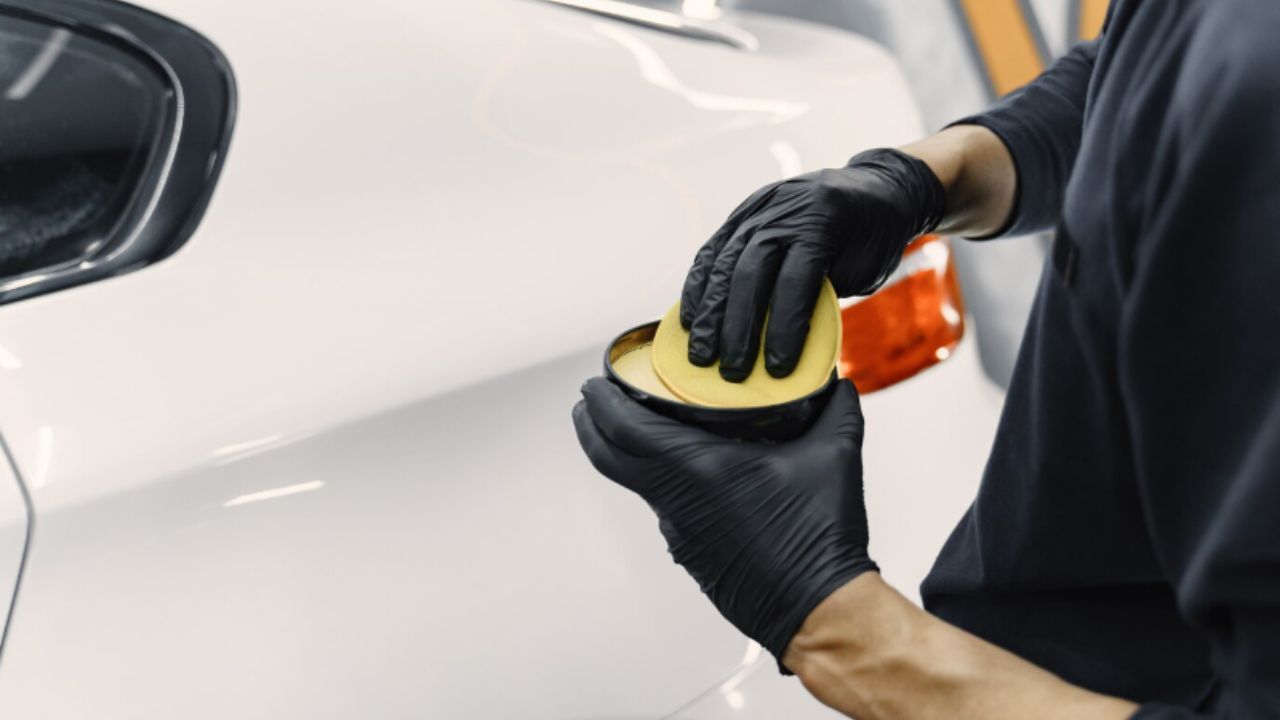
Use a ceramic-safe polish and soft microfiber pad. Work in small sections with light pressure to avoid removing the coating unnecessarily.

5. Reapply Ceramic Coating (If Needed)

After polishing, apply a thin layer of ceramic coating to the repaired area to restore protection. 

6. Maintain Regularly

Proper maintenance helps minimize future scratches:
  • Wash using the two-bucket method

  • Use pH-neutral car shampoo

  • Avoid automatic car washes with abrasive brushes

  • Apply top-up ceramic coating every 6–12 months

Tools and Products for Scratch Management


Tips to Prevent Scratches on Ceramic Coated Cars
  • Wash frequently with proper tools

  • Avoid parking near trees or crowded lots

  • Use a car cover for extended parking

  • Dry the car with a microfiber towel instead of air drying

  • Inspect the coating regularly and reapply as needed

Final Thoughts

Ceramic coatings offer excellent protection, but scratches can still happen. The right approach—careful assessment, proper polishing, and touch-up protection—can keep your vehicle looking pristine and extend the life of your coating. For car owners in Virginia Beach, VA , Grants Ride Clean provides expert ceramic coating maintenance and scratch repair services. Our team ensures your car stays glossy, protected, and scratch-free, maintaining that showroom shine for years to come.

White sedan being washed with water at a car wash.
December 9, 2025
Restore your car's shine with expert paint restoration. Remove imperfections and UV fading for a glossy, long-lasting finish at Grant's Ride Clean.
Silver Cadillac sedan parked outside a building with tinted windows.
November 19, 2025
Learn what to do after getting a ceramic coating, including washing tips, maintenance , and care routines to keep your car protected, and long-lasting.
Blue Chevrolet Suburban parked in front of a white building on a sunny day.
November 4, 2025
Applying a ceramic coating to your car is one of the best ways to protect your paint and keep it looking glossy for years. But once the coating is applied, the real question begins — how do you care for it properly? Without proper maintenance, even the best coatings can lose their shine. The good news is that caring for your coated car is simple if you follow the right steps. 1. Understand the Curing Period After your ceramic coating is applied, it needs time to cure and bond with the paint. During this period (usually 5–7 days ), your coating is sensitive and must be handled carefully. Do’s during the curing period: Avoid washing, waxing, or touching the surface too much. If dust or light dirt appears, gently use a microfiber towel to remove it. Keep the car away from bird droppings, tree sap, or rain if possible. Don’ts: Don’t take your car through an automatic wash. Don’t apply quick detailers or sprays. Don’t park under trees or in direct sunlight for long hours. 2. Wash Your Car the Right Way After curing, washing your coated car properly is the most important part of long-term care.
Show More →