Ceramic Coating vs. Wax vs. Paint Sealant: Which Is Best for Virginia Beach's Salt Air?

Grant's Ride Clean • October 16, 2026
Ceramic Coating vs. Wax vs. Paint Sealant: Which Is Best for Virginia Beach's Salt Air?
Black right-pointing chevron icon on a white background

Drivers in Virginia Beach, VA, face a real challenge: the coastal environment attacks vehicle paint year-round, making the choice between ceramic detailing, wax, and paint sealant more important than it might seem elsewhere.

Salt exposure happens in every season. Summer ocean air carries salt particles that settle on a car's surface. Winter road salt coats the undercarriage and causes long-term corrosion. Before choosing a paint protection product, it helps to understand what each one does and how it holds up in Hampton Roads conditions.

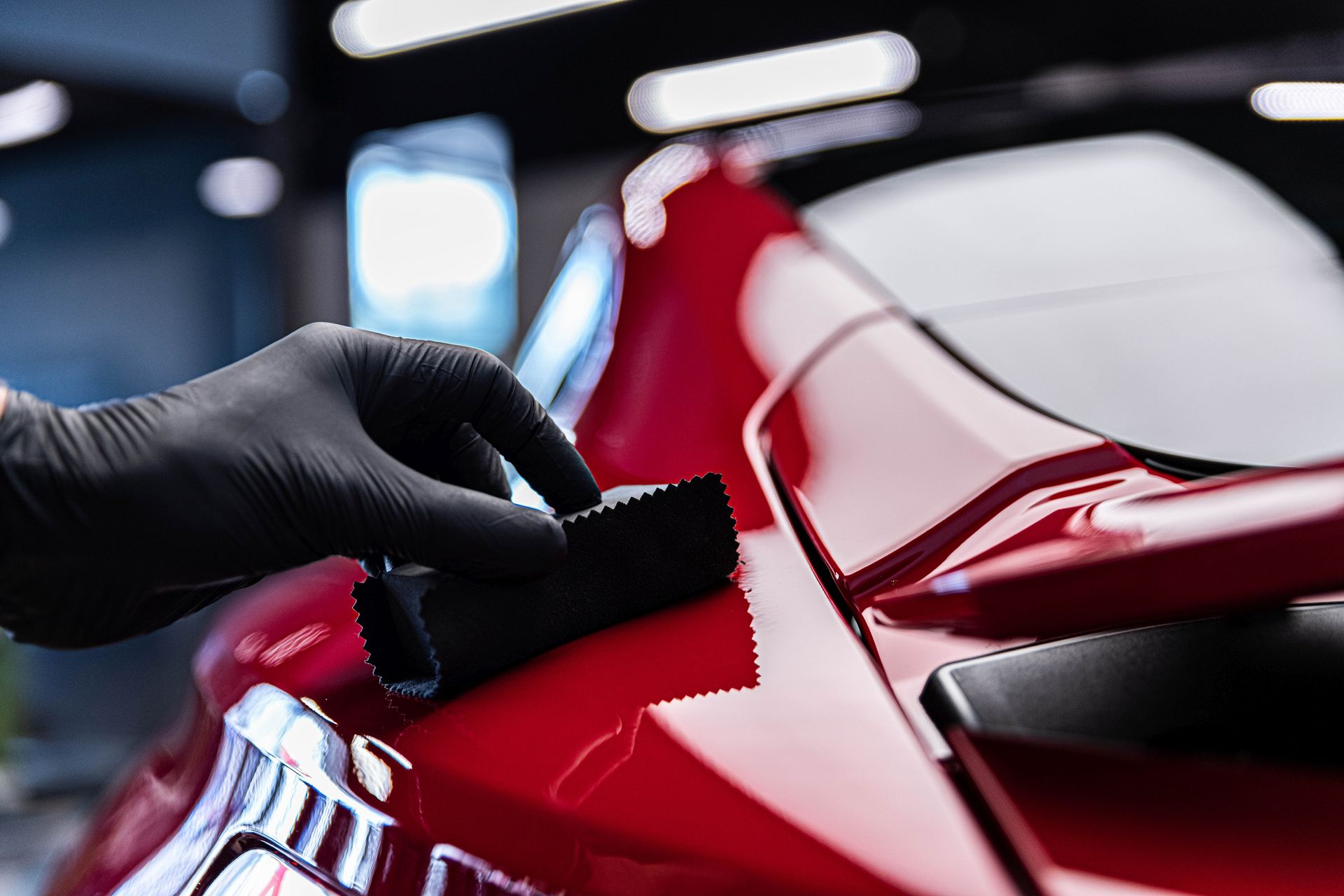
Gloved hand applying a ceramic coating with a microfiber applicator to a red car.

How Each Protection Product Works

Car Wax sits on top of the clear coat and creates a thin, soft layer of protection with a warm, glossy look. It breaks down quickly in heat, humidity, and UV light. In Virginia Beach's climate, wax can degrade in as little as four to six weeks, requiring frequent reapplication.


Paint Sealant is a synthetic polymer that bonds to paint more firmly than wax. Sealants last longer and offer more consistent water-beading, handling moderate humidity and UV exposure better. Even so, they wear down over months and may need reapplication every four to six months in a coastal environment.


Ceramic Coating is a liquid polymer that chemically bonds to your vehicle's factory paint. Once cured, it becomes a hard, semi-permanent layer that does not wash off or break down like wax or sealant. Its hydrophobic properties keep water, dirt, and grime from sticking, so your vehicle stays cleaner longer and is easier to wash. Ceramic detailing achieves results that no wax or sealant product can match for durability in a coastal climate.


How Does Salt Air in Virginia Beach Affect Each Product?

Salt air is the real test for any paint protection product. Coastal humidity and salt work together to create a corrosive environment worse than either element alone.


Wax offers very little resistance. Salt, humidity, and sun exposure all accelerate its deterioration. A wax layer cannot stand up to this combination for long, especially if your car sits outside near the Oceanfront, Sandbridge, or along Shore Drive.


Paint sealant holds up better. Its synthetic formula resists water and UV light more effectively, but it still degrades under repeated salt exposure and may need replacement sooner than its label suggests.


Ceramic coating is the strongest option for Hampton Roads drivers. It forms a hard shell that salt particles cannot easily penetrate. Because it bonds chemically to the paint rather than sitting on top of it, it maintains its protective qualities even after repeated exposure to ocean air, rain, and summer heat.

Longevity Comparison for Virginia Beach Conditions

  • Carnauba wax: approximately four to eight weeks before reapplication is needed.
  • Synthetic wax blend: approximately two to three months.
  • Paint sealant: approximately four to six months.
  • Professional ceramic coating: two to five or more years depending on the product tier and maintenance routine.


That longevity gap has real value. A driver who chooses wax may reapply it a dozen or more times within a single ceramic coating's lifespan.


Cost-to-Value Framing

Wax and sealant have lower upfront costs, but repeated applications add up. Factor in your time, product cost, and the risk that gaps in coverage leave paint exposed to salt damage, and the math shifts.


Ceramic detailing in Virginia Beach, VA, requires a higher upfront investment but may cost less over time when fewer applications are needed. More importantly, it helps protect resale value by keeping paint in better condition longer. Small spots of bubbling paint can lead to rust, peeling, and structural damage. Preventing that is worth more than the cost of protection itself. Drivers who invest in ceramic detailing early often avoid far more expensive repairs down the road.

When Ceramic Coating Makes Sense for Hampton Roads Drivers

Ceramic coating is the right choice when you want long-term, low-maintenance protection against the specific threats Virginia Beach presents. It makes especially strong sense if you park outside near the water, drive frequently near the Oceanfront or Chesapeake Bay area, or plan to keep your vehicle for several years.


If your vehicle has existing paint damage, a professional paint correction service before applying ceramic coating can help maximize results. Coating over scratches or oxidation locks those flaws in rather than protecting against them.

Get the Right Protection for Your Vehicle

Grant's Ride Clean, serving Virginia Beach, VA, and the surrounding Hampton Roads area, including Norfolk, Chesapeake, Portsmouth, and Suffolk, offers professional ceramic coating services designed to stand up to the coastal conditions local drivers face every day.


To learn more or schedule a service, contact the shop or call (757) 737-9995. You can also find and review Grant's Ride Clean on Google to see what other Hampton Roads drivers are saying.

Recent Posts

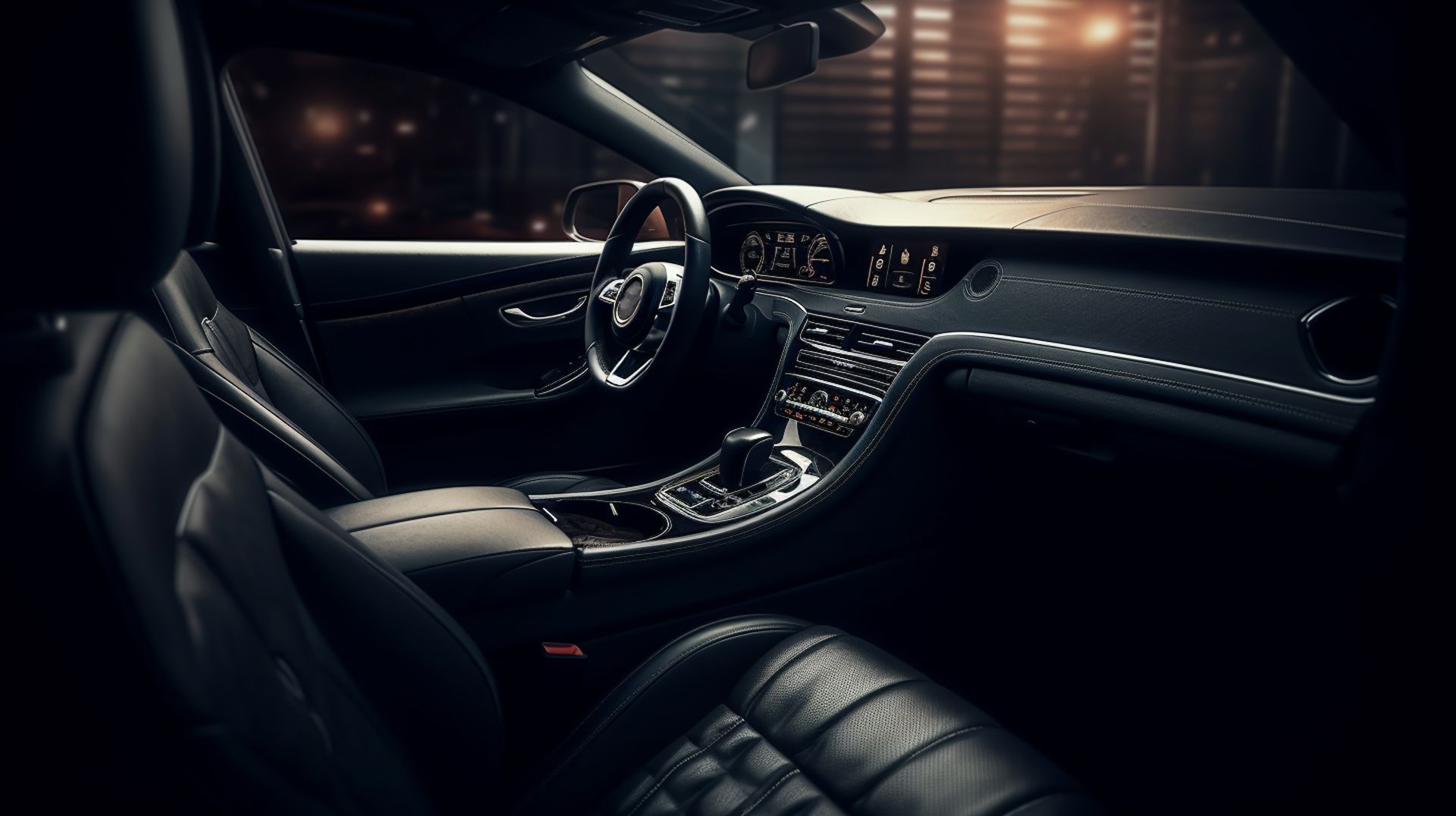
Spotless black leather seats and dashboard after interior car detailing service.
By Grant's Ride Clean • October 16, 2026
Virginia Beach's humidity, salt air, and sand demand more frequent interior detailing. Grant's Ride Clean keeps you on schedule. Get a free quote!
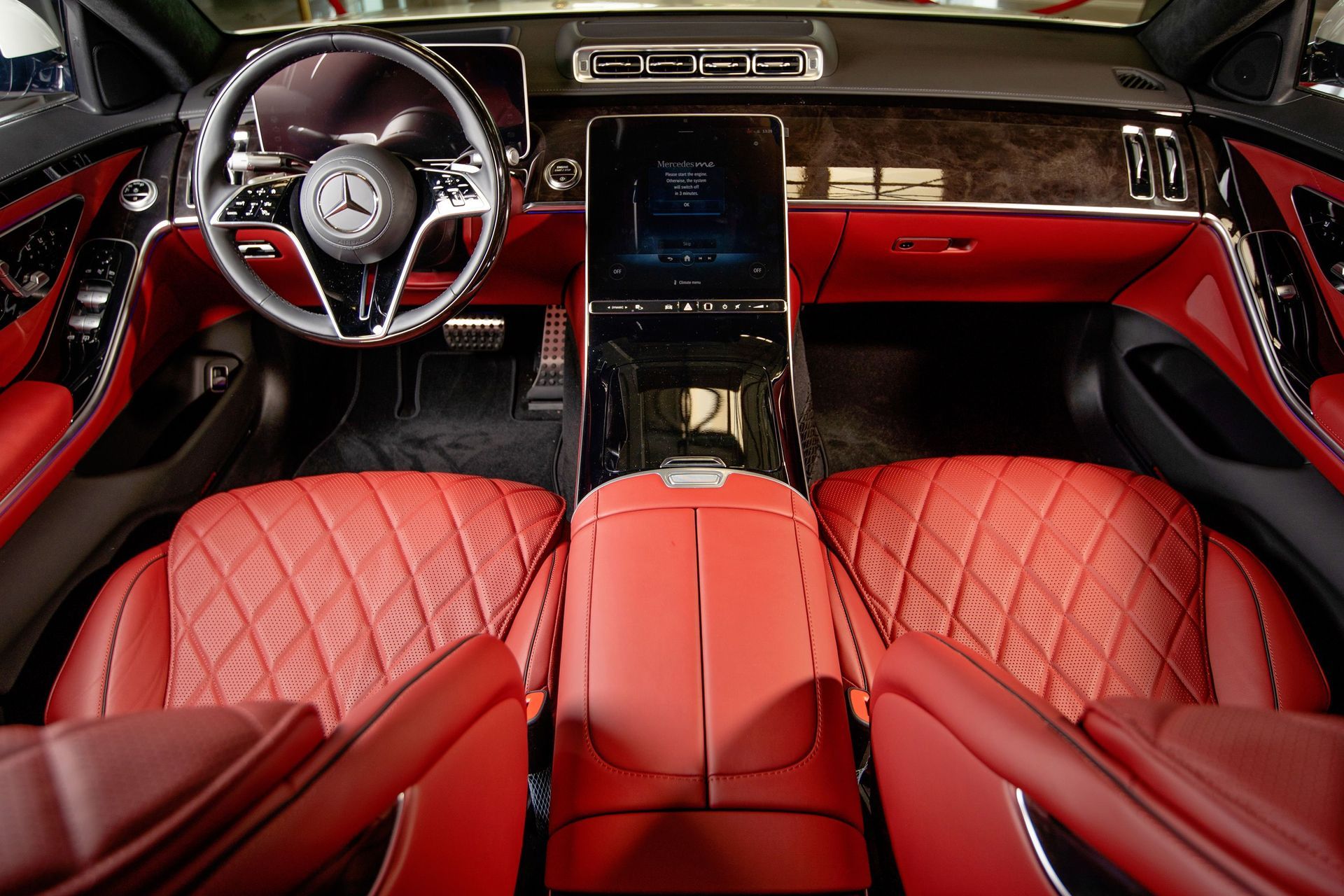
Luxury car interior with red leather seats, wood trim, and a large touchscreen dashboard.
By Anthony Grant • September 14, 2026
Learn what interior car detailing includes and how often Virginia Beach drivers need it with Grant's Ride Clean. Click here to read more!
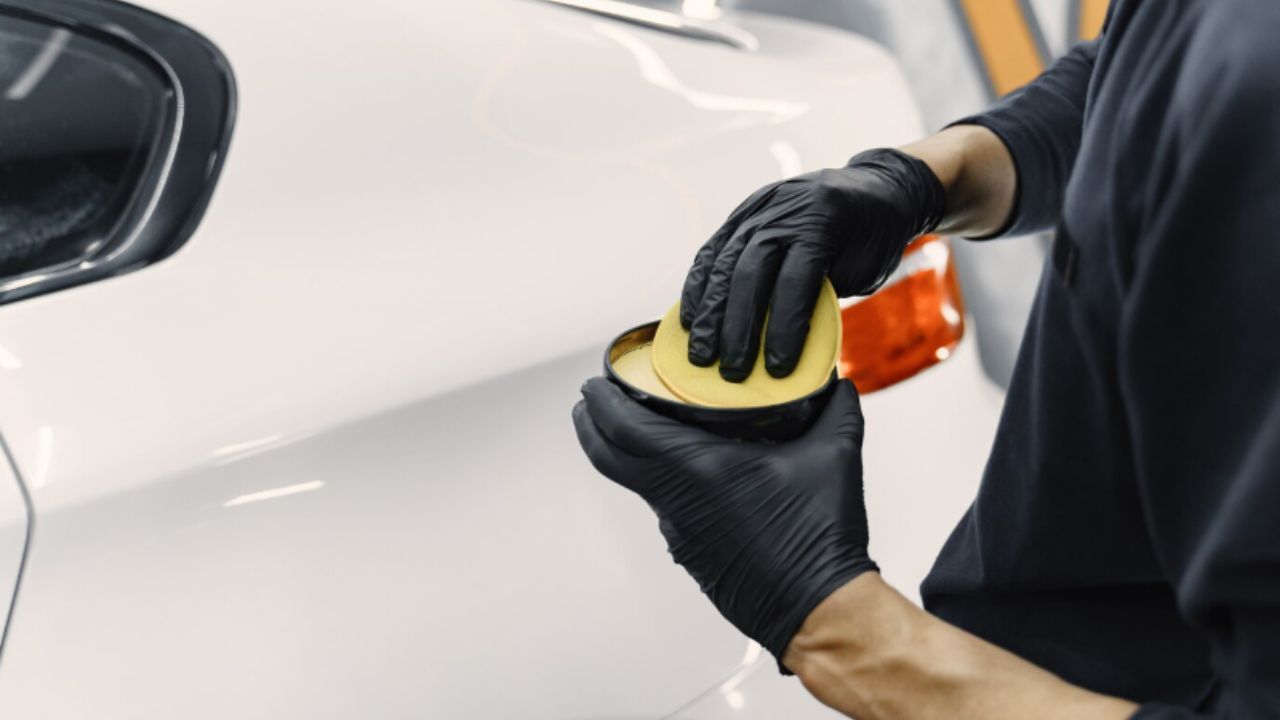
Black-gloved hands polishing a white car with a yellow sponge near the rear light
By Anthony Grant • June 23, 2026
Car detailing can remove some scratches but only hides others. Learn how paint correction, polishing, and detailing treatments fix or reduce car scratches.