Does Car Detailing Remove Scratches or Just Hide Them? Complete Guide
Does Car Detailing Remove Scratches or Just Hide Them? Complete Guide
A full car detail can remove some scratches, but it does not fix all of them.
That is the simple truth most drivers want upfront.
Some scratches disappear with polishing. Others only look better for a short time. And some need deeper paint correction work.
In Virginia, especially around coastal areas, this question comes up a lot. Salt air, sand, and traffic leave marks that build up fast. A car can look fine one month, then dull the next.
So what really happens when a car gets detailed?
The Short Answer at a Glance
Here are the most important facts.
- Professional detailing can remove many light clear coat scratches.
- Deep scratches usually need paint correction or body repair.
- The fingernail test is a simple way to check scratch depth.
- Wax and paint sealants can hide minor marks. But they do not remove them.
- Machine polishing delivers better results than most DIY scratch removal kits.
- A professional inspection helps determine the safest and most effective solution.
When Detailing Hides vs. Removes Scratches: What's the Real Difference?
Car detailing can remove some scratches and hide others. The result depends on how deep the damage goes.
Light marks that stay in the clear coat often improve with polishing. Deeper scratches that reach the paint usually remain visible after detailing. At Grant Ride Clean, technicians evaluate the severity of the scratch before recommending the most effective treatment.
How Different Treatments Work
Some detailing products improve appearance for a short time. Others provide a longer-lasting solution.
| Treatment | What It Does | How Long It Lasts |
|---|---|---|
| Wax | Fills tiny surface marks and adds shine | A few weeks |
| Paint sealant | Reduces scratch visibility and protects paint | Several months |
| Machine polishing | Removes a thin clear coat layer to eliminate light scratches | Permanent for treated defects |
When Wax Helps
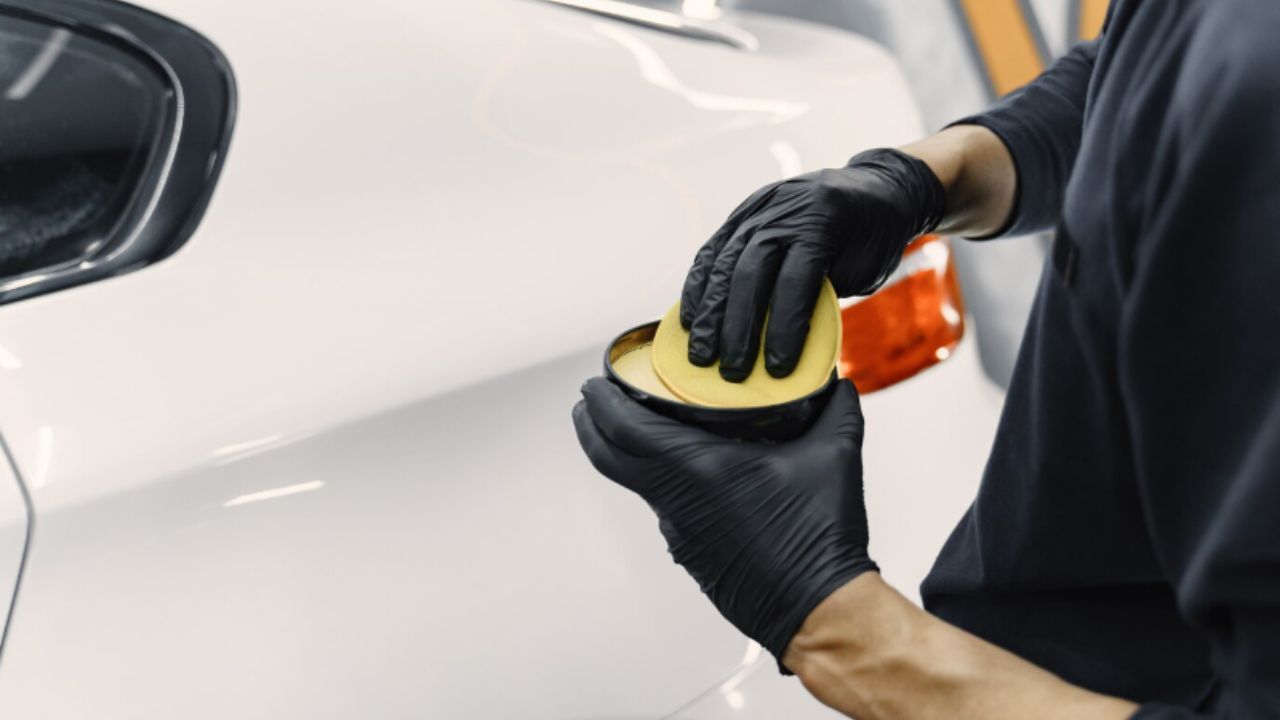
Wax can make light swirl marks harder to see. It fills tiny imperfections and creates a smooth surface that reflects light more evenly.
The improvement looks great. However, it is temporary. After several washes, the wax wears away, and the same marks may become visible again.
What Paint Sealants Do
Paint sealants create a durable protective layer. They improve gloss and reduce the contrast between scratches and the surrounding paint.
The scratches are still there, but they become less noticeable. This helps the finish look cleaner and more uniform for a longer period than wax alone.
Why Polishing Removes Light Scratches
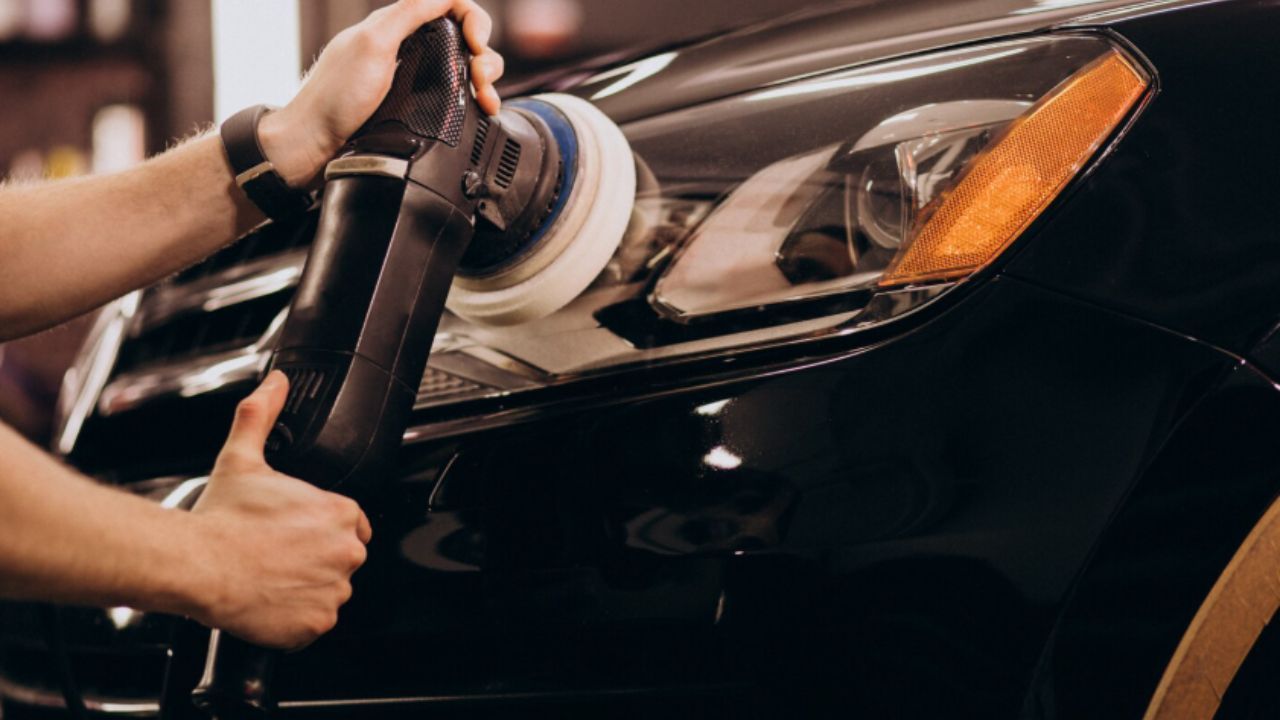
Polishing does not cover damage. It gently refines the clear coat. A dual-action polisher and polishing compound remove a microscopic layer from the surface, leveling the area around light scratches and swirl marks.
Polishing can permanently remove a scratch only when the damage remains within the clear coat. Once a scratch penetrates beyond that layer, additional correction methods may be needed to improve its appearance.
Understanding the Types of Scratches
Most scratches fall into three categories.
Clear Coat Scratches
These are the most common scratches on a vehicle. They only affect the clear protective layer above the paint.
You may notice:
- Light swirl marks
- Fine towel scratches
- Marks from automatic car washes
- Minor surface scuffs
These scratches usually do not catch a fingernail. Professional polishing can often remove them. It restores a smooth finish.
Paint or Moderate Scratches
These scratches are easier to see, especially in bright sunlight.
You may notice:
- A visible line in the paint
- Slight color change
- Marks from branches, bags, or door edges
Simple detailing may improve their appearance. But full removal is less likely. Many of these scratches need compounding or multi-stage paint correction.
Deep Scratches
These are the most serious types. They can reach the primer or even bare metal.
Signs of a deep scratch include:
- White, gray, or metal showing through
- A scratch that catches your fingernail
- Rough edges along the damaged area
If left untreated, exposed metal may develop rust over time. Professional body repair or touch-up paint restores the surface.
A Simple Fingernail Test
Not sure which type you have? You can find out by gently sliding a clean fingernail across the scratch.
Does your nail glide smoothly? The damage is likely in the clear coat. Polishing may remove it. If your nail catches, the scratch is probably deeper. It will need more than a standard detail.
When Car Detailing Can Remove Scratches
Car detailing works best on surface-level damage. These are the common cases:
- Swirl marks from automatic car washes
- Light haze on black paint
- Fine scratches from towels or dirt
- Water spots etched into clear coat
These issues sit in the top layer. A careful polish can level the surface. This restores clarity and shine.
Many drivers in Virginia Beach notice this after beach trips. Fine sand mixes with wind and causes micro marks on paint.
A proper detail brings the shine back quickly.
What Is Paint Correction and Why It Matters
Paint correction is a specialized polishing process. It removes a tiny layer of damaged clear coat to reduce defects. Note that this process aims to remove scratches. It does not cover them.
Different Levels of Paint Correction
Detailing experts choose the correction level based on paint condition.
| Correction Level | Typical Improvement* | Best For |
|---|---|---|
| Single-stage | Up to about 65% of visible defects | Light swirl marks and haze |
| Two-stage | About 70% to 90% of visible defects | Moderate scratches and oxidation |
| Multi-stage | Up to 95% or more of visible defects | Heavy swirl marks and deeper imperfections |
Actual results vary based on:
- Paint thickness
- SCratch depth
- vehicle condition.
Typical Paint Correction Costs
The final price depends on the vehicle size and the amount of correction needed. Here are common price ranges for a standard sedan:
| Service | Typical Price Range |
|---|---|
| Single-stage correction | $300 to $600 |
| Two-stage correction | $500 to $1,000 |
| Multi-stage correction | $800 to $2,000+ |
Is Paint Correction Worth It?
If sunlight reveals swirl marks across the hood, paint correction can make a dramatic difference. Many owners are surprised by how much clarity returns after a proper correction.
The paint reflects light better. Colors look richer, and minor scratches disappear.
For drivers looking for long-lasting results, Grant's Ride Clean also offers high quality paint correction services. They restore gloss while treating the paint with the care it deserves.
Step-by-Step Professional Scratch Removal Process
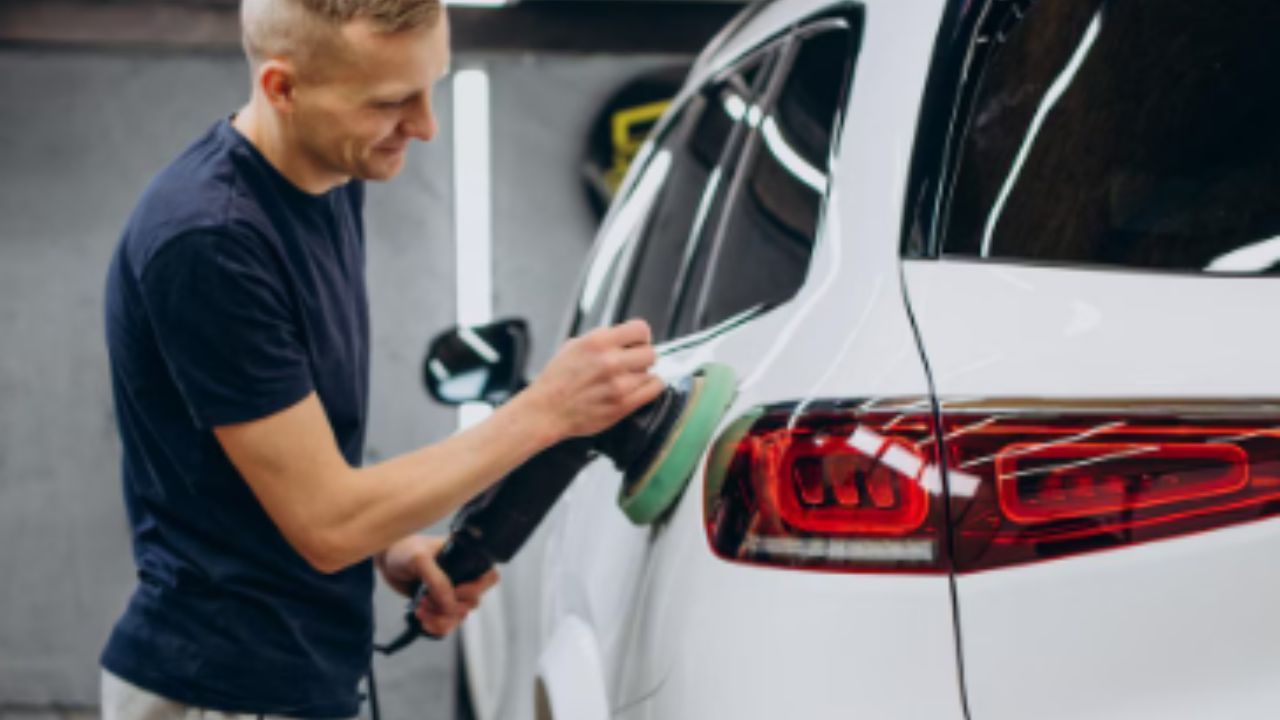
Expert detailers use a systematic process for scratch removal.
Step 1: Wash and Degrease the Vehicle
The process starts with a thorough wash. An all-purpose cleaner removes road film, grease, and stubborn dirt.
This prevents loose debris from scratching the paint during later stages. A clean surface also makes scratches easier to inspect.
Step 3: Machine Polish the Paint
A dual-action polisher works across small sections at a controlled speed. Polishing compound gently refines the clear coat and removes light swirl marks. This restores gloss and improves paint clarity.
Step 4: Perform Paint Correction When Needed
Some scratches need more than a single polish. The detailer inspects each panel. They choose the right pad and compound.
Moderate defects may need multi-stage correction using progressively finer abrasives. This process removes more visible imperfections. At the same time, it protects the remaining clear coat.
Step 5: Seal and Protect the Finish
Freshly polished paint needs protection. The final step locks in the shine. It helps defend against future damage.
The protection may include:
- Car wax for a warm gloss
- Paint sealant for longer-lasting protection
- Ceramic coating for enhanced durability and water repellency
Should You Get a Detail or Paint Correction?
This table below makes the decision easier.
| Situation | Recommended Service |
|---|---|
| Light swirl marks after regular washing | Standard exterior detail with polishing |
| Fine scratches that do not catch a fingernail | Professional detailing and machine polish |
| Paint looks dull but still feels smooth | Full detail with paint protection |
| Scratches stand out in direct sunlight | Stage 1 or Stage 2 paint correction |
| Moderate paint defects across several panels | Multi-stage paint correction |
| Key scratch reaching primer or bare metal | Paint correction with touch-up paint or body repair |
Ask Yourself Two Simple Questions
- Does the scratch only affect the surface?
- Do you want a quick improvement or the best possible finish?
The answers usually point to the right service.
Sometimes You Need Both
Many vehicles benefit from a combination of services.
A full detail removes contaminants before paint correction begins. This creates a clean surface. It helps the polishing process deliver better results.
When in Doubt, Get the Paint Checked
Two scratches can look almost identical. But they still need different treatments. A quick inspection by an experienced detailer can identify the damage. They can recommend the safest option to you.
That saves time and helps you avoid paying for services your vehicle does not need.
Can Detailing Prevent New Scratches?
Yes, good detailing habits make a big difference No detail can guarantee a scratch-free finish.
Still, the right washing methods greatly reduce the risk of new marks.
Start With a Foam Pre-Soak
A foam pre-soak loosens dirt before touching the paint. This helps lift road film, dust, and grit from the surface. Less rubbing means fewer chances to create swirl marks. That is why many professional detailers begin with this step.
Use the Two-Bucket Wash Method
One bucket holds a clean wash solution. The second bucket rinses the wash mitt after each pass.
This method keeps dirt out of the clean water. It also reduces the chance of dragging grit across the paint.
Choose Microfiber Mitts Over Sponges
Microfiber mitts trap dirt inside their fibers. They pull it away from the paint. Traditional sponges hold dirt against the surface. That trapped grit can leave fine scratches with every wipe.
Dry the Right Way
Use clean microfiber towels and gentle pressure. A dirty towel or rough cloth can create fresh swirl marks on a perfectly clean car.
Coastal Driving Needs Extra Care
Virginia Beach drivers face a unique challenge. Fine sand mixes with sea spray and settles on the paint every day. If that sand is rubbed across the surface during a quick wash, tiny swirl marks begin to appear.
Regular Detailing Protects Your Finish
Professional detailing removes bonded dirt before it damages the paint. Combined with safe washing habits, it helps preserve gloss. The process reduces new imperfections over time.
Final Thoughts
Car detailing can improve scratches, but it cannot erase every type of damage. Light marks often disappear with proper polishing, while deeper scratches may require paint correction or professional repair.
The real value lies in the overall transformation. Clean, well-maintained paint reflects light more evenly, enhances gloss, and naturally reduces the appearance of minor imperfections. At Grant Ride Clean, the goal is not just to clean your vehicle but to restore the finish so it looks its absolute best.
Once you see the difference for yourself, it becomes clear how much those small scratches, swirl marks, and surface defects were affecting your vehicle's appearance. If you're ready to refresh your paint and bring back its shine, Grant Ride Clean can help you choose the right detailing solution for your vehicle's condition and goals.
FAQs
Does car detailing remove scratches?
Car detailing can remove many light scratches and swirl marks. These usually sit in the clear coat. Deep scratches that reach the paint or primer need paint correction or repair. A professional inspection can identify the best solution.
What is the difference between detailing and paint correction?
Detailing cleans, restores, and protects your vehicle inside and out. Paint correction focuses only on improving the paint surface. It uses machine polishing to remove light defects and reduce deeper imperfections. Paint correction is a more specialized service.
Can wax remove scratches from a car?
No, wax does not remove scratches. It fills tiny surface marks and makes them less visible. The effect is temporary and fades as the wax wears away. Light polishing is needed for permanent improvement.
How do I know if my scratch needs paint correction?
Try the fingernail test. If your nail glides over the scratch, polishing may remove it. If your nail catches, the scratch is likely deeper and may need paint correction or touch-up work. A detailer can confirm the best option.
Will detailing make scratches worse?
Professional detailing should not make scratches worse. Safe washing methods, microfiber towels, and proper polishing techniques help protect the paint. Poor washing habits or dirty tools can create new swirl marks. That is why choosing an experienced detailer matters.
Does ceramic coating remove scratches?
No, ceramic coating does not remove existing scratches. It adds a protective layer over the paint and helps reduce future damage. Most professionals recommend correcting the paint before applying a ceramic coating. This creates a smoother and better-looking finish.
Recent Posts